Beginnings
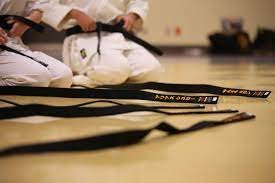
Born in Valencia, my first contact with Tai Chi was back in 2001, when I was taking Taekwondo classes near where I lived. Behind the tatami where we trained, there was a small room with dim light and a wooden floor. People dressed in loose, dark-colored clothes would go in there and quietly practice some kind of exercise. Later on, during a period when I felt overwhelmed by the stress of balancing work and studies, I noticed a sign on the door of the Taekwondo school advertising that mysterious activity in the small room: “Tai Chi classes, a martial art for well-being and health.” Not long after, I signed up—while continuing my Taekwondo classes.

From the very first moment, I knew this was the practice that came closest to what I had always understood as a truly complete martial art—one that helps you grow as a person on every level. Since childhood, I had dreamed of finding a teacher who could help me develop not only external aspects like strength and technique, but also the more internal and subtle ones that allow us to grow as human beings.
Route
Over the years, I came to know different schools, instructors, and teachers, always seeking to integrate the various teachings I encountered with my own inner development. Along the way, I combined the practice of Tai Chi and Chi Kung with Kung Fu (Wu Shu) and meditative Yoga. Practicing these disciplines together has helped me walk my own path and find balance between the more external (Yang) and the more internal (Yin) aspects of who I am.
It was when I returned from Mexico to Spain in 2017 that I felt confident enough to teach and to share everything I had learned over years of practice. The practice of Tai Chi and Chi Kung has been a path that has allowed me to grow and find balance in my personal life—one that I now enjoy sharing with others.
Masters
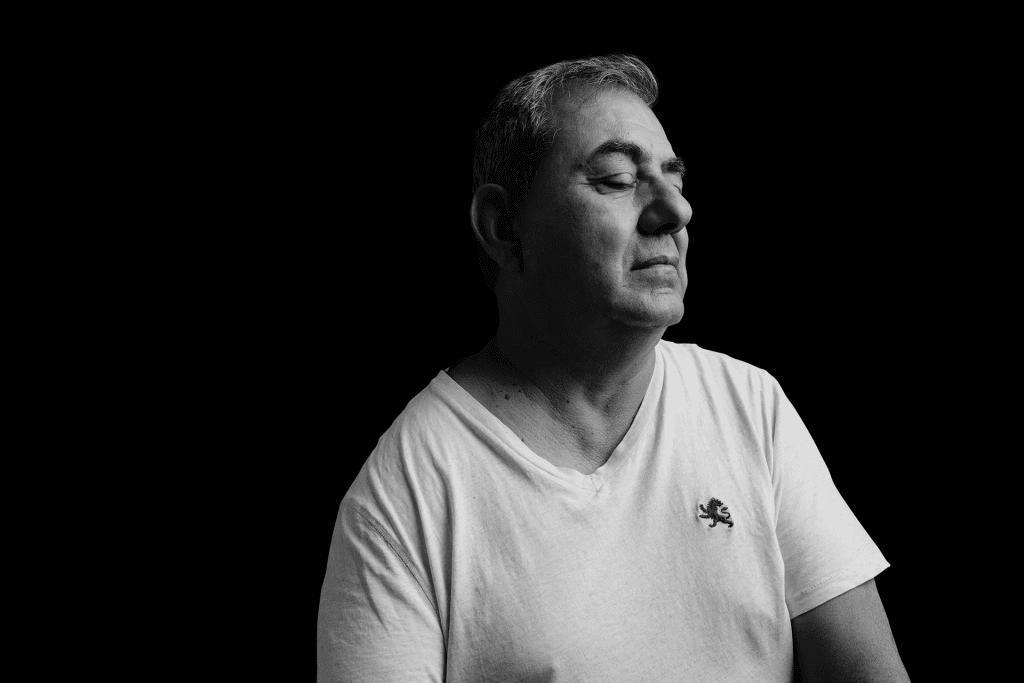
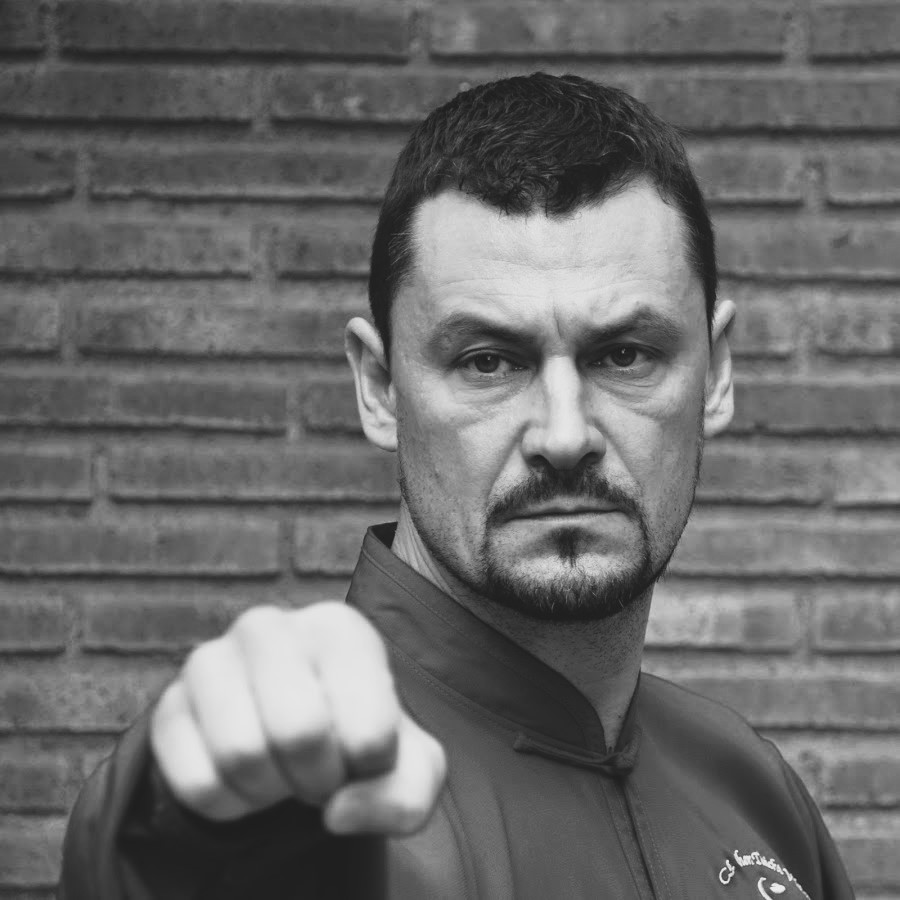
My inspiration, my path, my guide. Those who have taken me by the hand until I found my true nature, and to whom I am eternally grateful.

Lakshahara Acharya
For over 40 years, Lakshahara Acharya has been accompanying those who come to him with a deep thirst for self-knowledge.
Gianfranco Pace
He developed the ITKA system—a high-level method that blends tradition and innovation, and has been recognized in many countries around the world for years.
Isaí Mendoza
He began his training at the age of 17, driven by the desire to teach Chinese martial arts.
Luciano Vida
In July 2007, Master Chen Xiaowang appointed him as a representative of the 20th generation of the Chen-style lineage. He is now the National Representative of ITKA in Spain and one of the five members of the Technical Committee.
Agustín López
“I’ve traveled to China thirteen times to train for long periods in mountain temples.”
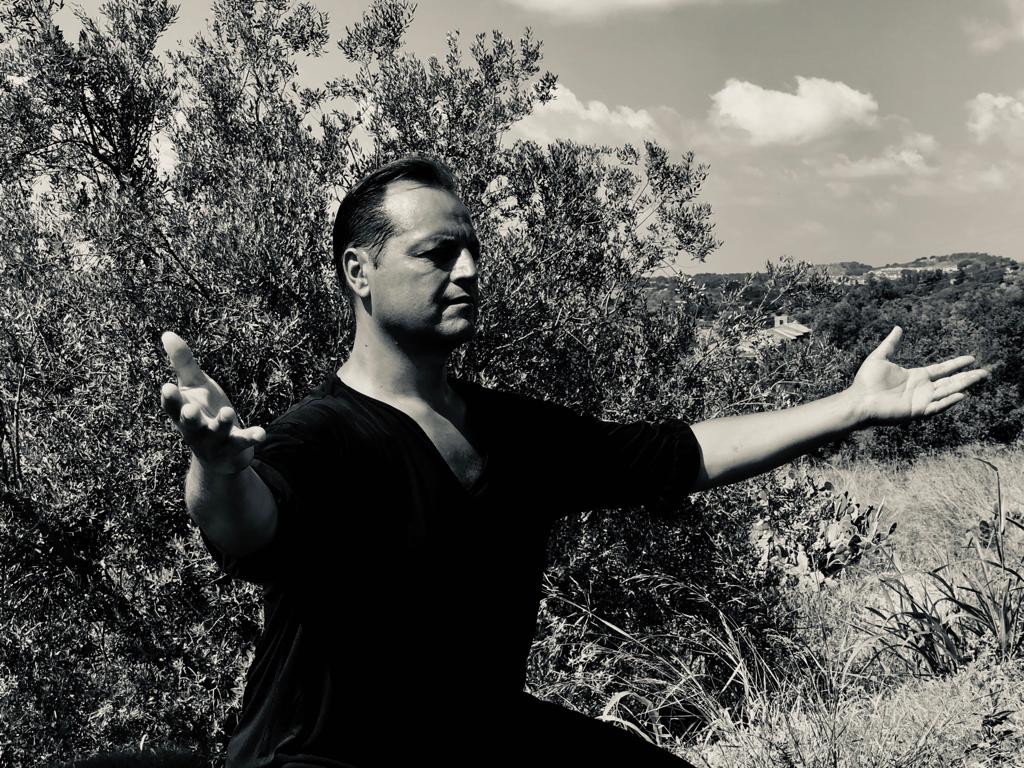
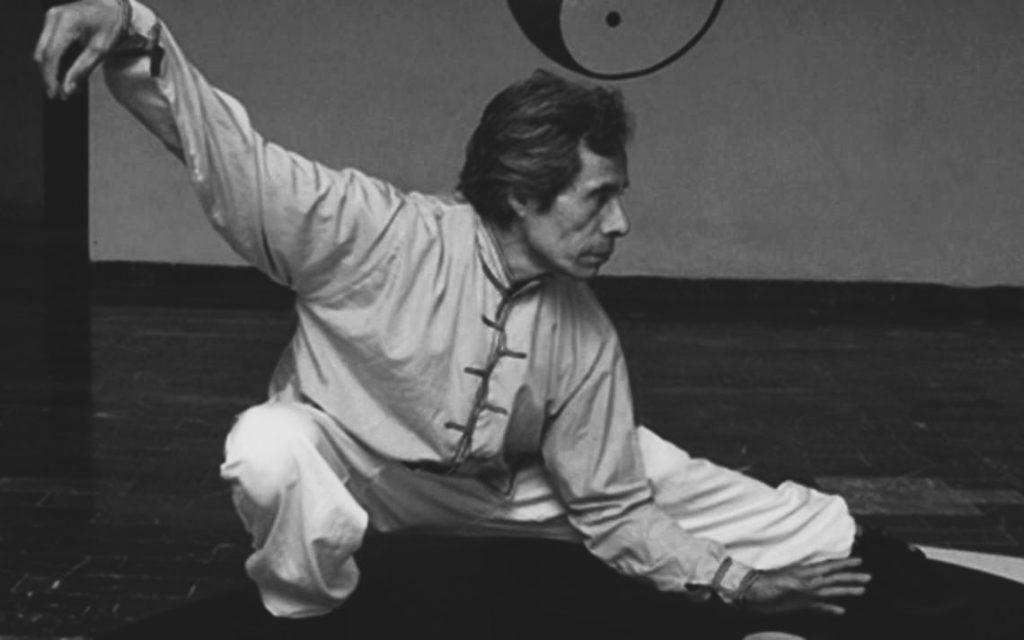
If you want to practice Tai Chi or Chi Kung, if you want to know how it can help you or whether it’s right for you, write to us.
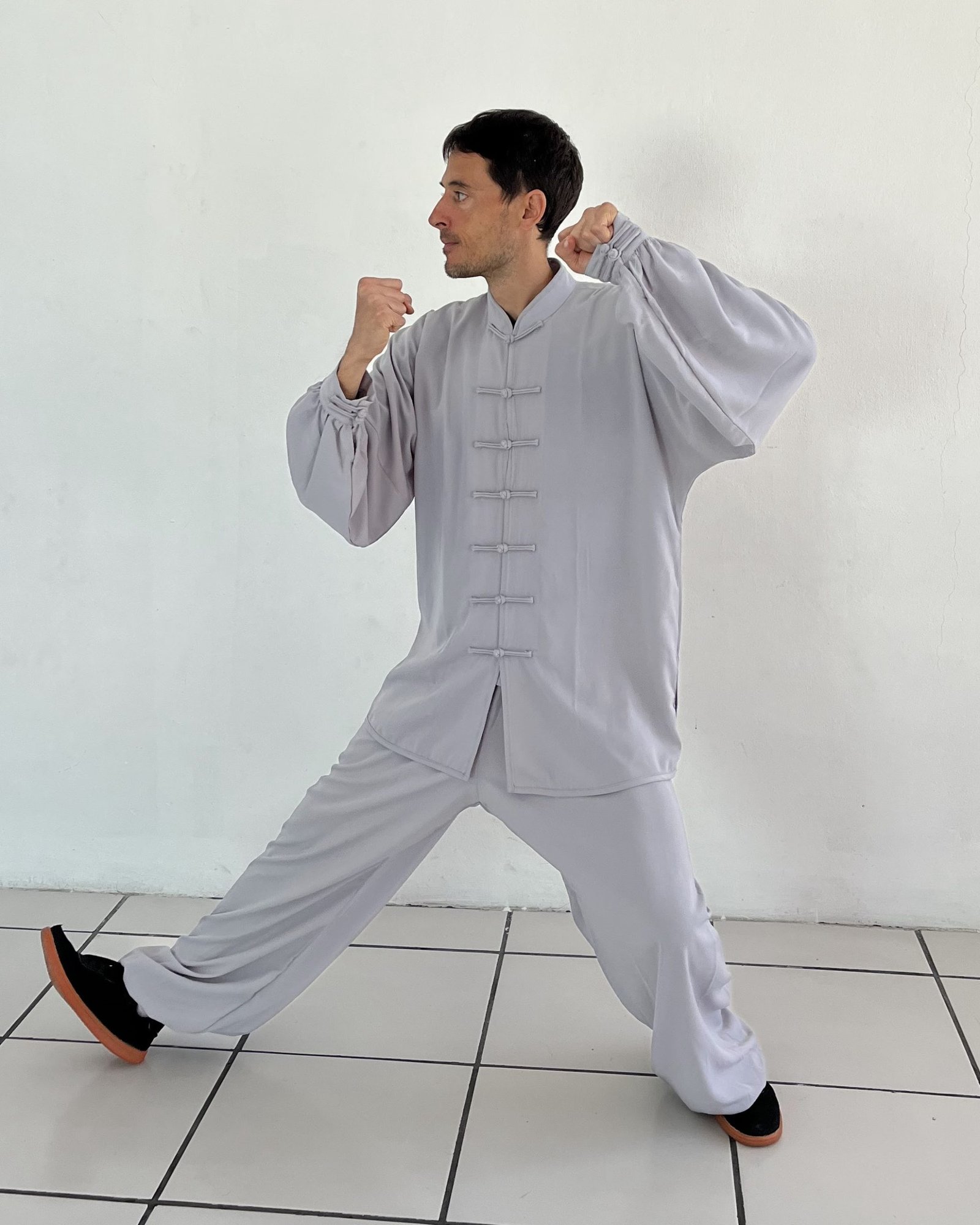
We are located in
5th South Street corner with 3rd West. Center neighborhood. San Andrés Cholula (Puebla).
Monday to Friday
10:00 am – 11:30 am
Monday and Wednesday
7:00 pm – 9:30 pm
Saturdays at Parque Ecológico de Puebla
9:30 am – 11:00 am

